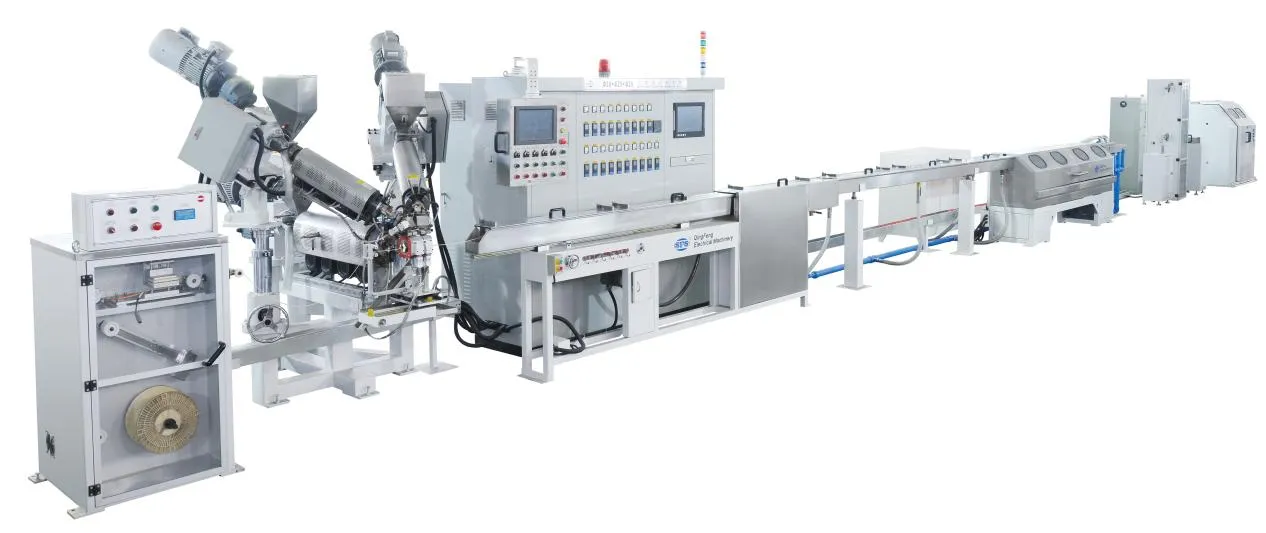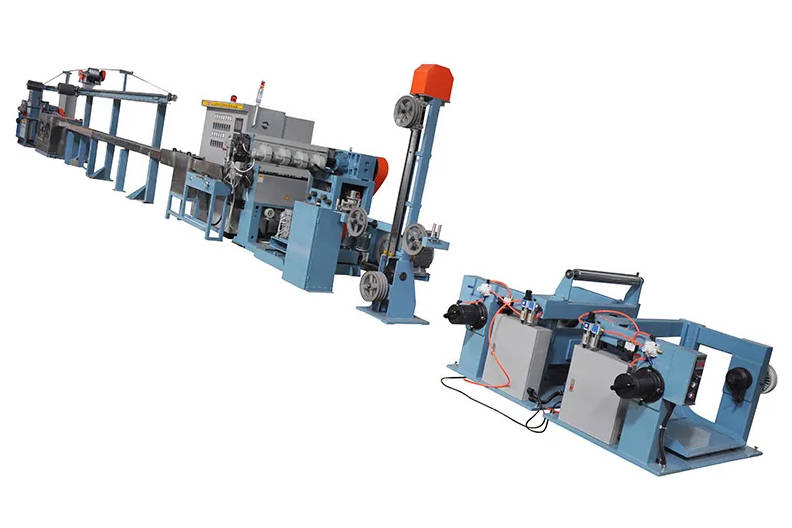
Securing an extrusion line requires more than just basic caution; it demands a comprehensive risk management strategy integrating physical barriers, intelligent machine controls, and rigorous human protocols. Plant managers and EHS directors must address inherent thermal and mechanical risks to maintain compliance with industrial safety standards, prevent workplace injuries, and avoid costly production downtime.
This guide details the core components of extrusion machine safety. We will examine how to identify critical hazard zones, implement mandatory physical guarding, configure fail-safe interlock systems, and establish standard operating procedures (SOPs) for operator training and maintenance.
The Reality of Extrusion Line Hazards: What Are We Protecting Against?
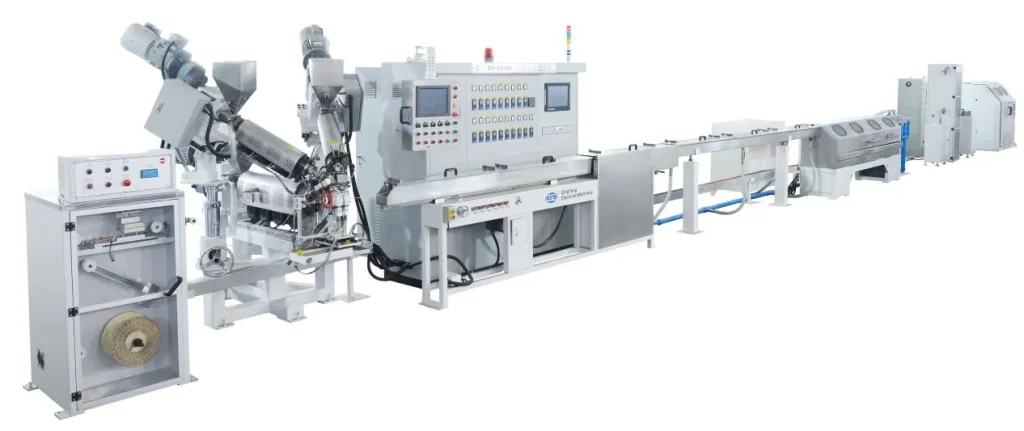
Plastic and rubber extrusion involves extreme heat, high pressure, and heavy moving parts. Recognizing the specific nature of these risks is the first step in configuring appropriate machine guarding and training protocols. Thermal hazards in the extrusion process are prevalent around the barrel and die head, while mechanical pinch points exist wherever materials are pulled, cut, or wound.
To structure an effective safety upgrade, plant engineers should audit their equipment against the following hazard identification matrix:
| Extrusion Zone | Hazard Type | Potential Risk | Primary Defense Strategy |
|---|---|---|---|
| Feed Hopper | Mechanical | Hands or tools caught in the rotating screw | Fixed distance guards, grid covers, magnetic interlocks |
| Barrel & Heater Bands | Thermal / Electrical | Severe contact burns, electrical shock | Insulated covers, perforated metal shielding, warning labels |
| Die Head | Thermal / Pressure | Blowout of molten polymer, severe burns | Heat shields, pressure relief valves, strict LOTO procedures |
| Nip Rolls / Pullers | Mechanical (Pinch Point) | Crushing or drawing in of limbs | Fixed barrier guards, emergency stop cables, light curtains |
| Cutter / Saw | Mechanical | Laceration, amputation, flying debris | Enclosed guarding with redundant limit switches, polycarbonate shields |
Essential Machine Guarding Strategies for Extrusion Machinery
Physical guards serve as the first line of defense between the operator and the machine’s hazardous energy. Extrusion machinery guarding must be robust enough to withstand industrial environments without obstructing routine production monitoring.
Depending on the machine configuration, standard safety protocols require specific types of guards across the production floor. Plant managers should evaluate their equipment using this extrusion operator safety checklist:
- Fixed Guards for Drive Mechanisms: All belts, pulleys, chains, and gears driving the extruder screw must be completely enclosed by fixed guards requiring specialized tools for removal.
- Grid Guards at the Feed Throat: The feed hopper must feature a fixed grid or mesh that allows raw material to pass while physically preventing operators from reaching down to the rotating screw.
- Thermal Shielding on the Barrel: Heater bands operate at temperatures capable of causing instant, severe burns. Perforated metal guards or insulated blankets must cover these zones to prevent accidental contact while allowing necessary heat dissipation.
- Adjustable Barriers on Downstream Equipment: Pullers and winders require guards that can adjust to different product dimensions while still effectively blocking access to pinch points.
Guarding works best when it is engineered into the machine rather than bolted on afterwards — which is why custom-built extrusion equipment integrates guarding, shielding, and interlock mounting points at the design stage.
How Interlock Systems Prevent Catastrophic Extruder Accidents
While physical guards prevent accidental contact, interlock systems for extruders provide automated intervention when human error occurs. An interlock is a safety device tied to the machine’s control circuit. If a guard is bypassed, opened, or removed while the machine is energized, the interlock immediately halts the hazardous motion.
Modern extrusion line setups equipped with fail-safe interlocks respond to breaches in a fraction of a second. The standard response sequence of a dual-channel interlock system operates as follows:
- Breach Detection: An operator opens the cutter enclosure door to clear a jam without first hitting the stop button.
- Circuit Interruption: The coded magnetic limit switch on the door separates, breaking the continuous safety circuit.
- Drive De-energization: The safety relay immediately drops out, cutting primary power to the cutter servo motor and the main extruder drive.
- Active Braking: Depending on the application requirements, dynamic braking is applied to bring rotating components to a complete halt within milliseconds.
- Restart Prevention: The system locks out the control panel. The machine cannot be restarted until the door is closed, the switch is re-engaged, and a supervisor manually resets the safety circuit on the main console.
Developing a Fail-Safe Extrusion Machine Operator Training Program
Hardware defenses can be bypassed or neglected if the workforce lacks a strong safety culture. A structured operator training program ensures that personnel understand not just how to run the equipment, but why specific safety measures exist.
Effective training should follow a standardized Standard Operating Procedure (SOP) framework:
- Pre-Startup Inspections: Operators must verify that all guards are bolted in place, interlocks are functional, and E-stop buttons are un-depressed before initiating the heating sequence.
- Active Monitoring Protocols: Training must cover how to safely monitor die pressure limits and temperature fluctuations to prevent pressure blowouts.
- Jam Clearing Procedures: Operators must be explicitly trained never to use their hands or metal tools to clear bridged material in the hopper or jams in the puller while the machine is running.
The Importance of Lockout/Tagout (LOTO) in Extrusion Maintenance
Routine maintenance, die changes, and screw cleaning require operators to bypass standard guarding. During these tasks, Lockout/Tagout (LOTO) procedures are non-negotiable.
LOTO requires completely isolating the extruder from all energy sources—electrical, pneumatic, and hydraulic. Furthermore, residual energy, such as pressurized molten plastic in the die or lingering heat in the barrel, must be safely bled off or allowed to cool before maintenance begins. Every technician must apply their own personal padlock to the main disconnect switch, ensuring the machine cannot be accidentally energized while someone is working inside a hazard zone. The routine maintenance checklist is the natural place to embed these LOTO steps so they are executed on schedule, not from memory.
Evaluating Your Current Extrusion Line Safety: When Is It Time to Upgrade?
For factory owners managing older equipment, maintaining plastic extrusion safety standards often requires a choice between retrofitting existing machinery or investing in a complete replacement.
While adding E-stops and custom fabricated guards to legacy equipment is possible, integrating modern, dual-channel safety relays and software-based interlocks into 20-year-old control panels is highly complex and prone to electrical faults.
Decision Framework: Retrofit vs. Upgrade
| Evaluation Criteria | Retrofitting Existing Equipment | Investing in a New Extrusion Line |
|---|---|---|
| Safety Compliance | May meet minimum mechanical requirements, but electrical interlock integration is often patchwork. | Built natively to CE, OSHA, and ISO machinery safety directives. |
| Downtime Risk | High. Custom fabricating guards and rewiring old PLCs require extended machine shutdown. | Low. Installation is planned, and the system arrives pre-configured and tested. |
| Operational Efficiency | Guarding might be clunky, slowing down die changes and routine maintenance. | Ergonomic safety designs allow for rapid, safe tooling changes. |
| Cost Implication | Lower upfront cost, but potential for higher hidden costs in engineering and production loss. | Higher capital expenditure, offset by higher throughput and reduced liability risk. |
When legacy equipment consistently fails safety audits, or when retrofit costs exceed the machine’s depreciated value, transitioning to a native, safe extrusion solution is the most logical operational decision. Before committing either way, review what actually drives the price of a new extrusion line so the capital comparison is made on full lifecycle cost, not sticker price alone.
Partnering with Qingfeng for Safe and Compliant Extrusion Operations
Maintaining extruder machine safety is an ongoing commitment to engineering excellence and operational discipline. Protecting your workforce requires equipment designed with safety as a foundational principle rather than an afterthought, backed by reliable after-sales and technical support for the life of the line.
As a manufacturer of high-performance plastic machinery, Qingfeng engineers extrusion line systems that integrate state-of-the-art physical guarding, intelligent interlocks, and intuitive control interfaces. By minimizing hazard exposure and simplifying safe operation, Qingfeng helps manufacturers achieve both compliance and maximum production uptime.
Key Takeaways
- Identify Hazards Early: Extrusion lines present specific thermal hazards at the barrel/die and mechanical pinch points at the pullers, requiring targeted defensive strategies.
- Layered Defenses are Mandatory: Safety compliance relies on a combination of physical barriers (fixed/adjustable guards) and electrical safety systems (limit switches and E-stops).
- Interlocks Prevent Human Error: Modern extruder safety interlock requirements dictate that opening a guard must instantly cut power to the drive motor and halt hazardous motion.
- LOTO is Critical: Strict Lockout/Tagout procedures are the only safe way to perform die changes, screw cleaning, and downstream maintenance.
- Evaluate Legacy Systems: When retrofitting old machines with modern interlocks becomes too complex and unreliable, upgrading to natively safe equipment reduces liability and improves efficiency.
FAQ
What are the primary thermal hazards in the extrusion process?
Thermal hazards primarily occur around the barrel heater bands and the die head. Operators face risks of severe contact burns from exposed metal surfaces and potential blowouts of pressurized, molten polymer if die pressures exceed safe limits.
What are extruder safety interlock requirements?
Interlock requirements mandate that any movable guard protecting a hazard zone must be connected to the machine’s safety control circuit. If the guard is opened during operation, the interlock must immediately de-energize the hazardous components and prevent a restart until the guard is secured.
What should be included in an extrusion machine operator training checklist?
A comprehensive checklist should include pre-startup safety inspections (verifying guards and E-stops), monitoring techniques for temperature and pressure, safe jam-clearing protocols, and strict Lockout/Tagout (LOTO) procedures for any maintenance or tooling changes.
Upgrading an aging line or specifying safety requirements for a new installation? Talk to our engineering team about guarding, interlock, and training packages matched to your production environment.